Cutting an electrical cable may look like a simple job. Pick up a cutter, squeeze the handles, and the cable is done. But anyone who works with electrical installations knows that the choice of cutter can make a noticeable difference.
The wrong tool can make cutting unnecessarily difficult, damage the cable, wear out quickly, or even create a safety risk. The right manual cable cutter, on the other hand, gives you a clean cut with less effort and makes cable preparation much more efficient.
So, how do you choose the right manual cable cutter? The answer depends on the cable you work with, the amount of cutting you do, and the conditions in which you use the tool.
1. Start With the Cable You Need to Cut
The first thing to consider is the cable itself.
Electrical cables come in different sizes and constructions. A small wire used in control panels requires a very different cutting tool from a thick power cable. Before buying a manual cable cutter, check the manufacturer’s stated cutting capacity and make sure it is suitable for the cable sizes you regularly handle.
Cable material matters too. Copper and aluminium cables have different characteristics, while some cables may contain multiple conductors or additional layers of insulation.
A cutter designed for a particular range of cable sizes should be used within that range. Trying to force a tool beyond its rated capacity can damage both the tool and the cable.
2. Pay Attention to Cutting Capacity
Cutting capacity is one of the most important specifications when comparing manual cable cutters.
Manufacturers generally specify the maximum cable diameter or conductor size that a particular cutter is designed to handle. Don’t choose a tool simply because it can cut the cable you are working with today.
Think about the jobs you are likely to encounter in the future.
If you regularly work with several cable sizes, selecting a cutter with an appropriate working range can be more practical than buying a separate tool for every application. At the same time, there is little benefit in carrying an unnecessarily large cutter for small cables.
The goal is to find the right balance between capacity, portability, and ease of use.
3. Consider the Cutter’s Blade Design
The blade is where the actual work happens, so its design and construction deserve attention.
A good cable cutter should produce a clean, controlled cut rather than crushing or flattening the cable. The geometry of the cutting edges should be appropriate for the intended cable type and size.
Blade quality also affects service life. A properly manufactured and treated cutting edge can withstand repeated use while maintaining its performance.
For professional users who make many cuts during a working day, blade durability becomes especially important. Replacing a worn tool frequently can add unnecessary cost and downtime.
4. Don’t Ignore Handle Design
A cable cutter can have excellent blades and still be uncomfortable to use if the handles are poorly designed.
Manual cutting relies on hand force, which means ergonomics matter. Look for handles that provide a comfortable and secure grip. A suitable handle length can also improve leverage, allowing the user to generate the required cutting force more comfortably.
This is particularly important when working with thicker cables.
If you’re using the tool throughout the day, a comfortable grip isn’t simply a luxury. It can make repetitive work easier and reduce unnecessary strain on the hands.
5. Think About How Often You’ll Use It
Your usage pattern should influence your choice.
For occasional electrical repairs around a workshop, a compact manual cable cutter may be all you need. For electricians, maintenance teams, cable installers, or industrial technicians who make cuts regularly, durability and ergonomics become much more important.
A professional tool should be selected with repeated use in mind.
Consider how many cuts you make in a typical day, the range of cable sizes you encounter, and whether the tool will be used indoors, outdoors, or in demanding industrial environments.
6. Check the Tool’s Construction
The overall construction of the cutter is another important consideration.
Look for a tool made from materials appropriate for repeated mechanical use. The joints, cutting mechanism, handles, and blades should work together smoothly.
A well-built cutter should feel solid without becoming unnecessarily heavy.
For professionals, this balance is valuable. You want a tool that can withstand everyday use but is still practical to carry between jobs.
7. Look at the Cutting Mechanism
Different manual cable cutters use different mechanical arrangements to make cutting easier.
Some designs rely primarily on direct leverage, while others incorporate mechanisms that increase mechanical advantage. The right choice depends on the cable size and the amount of force required.
For larger cables, a mechanism designed to multiply hand force can make a significant difference.
Before purchasing, consider whether you can comfortably operate the cutter at its rated capacity. A tool that technically meets your requirements but is difficult to operate in practice may not be the most suitable option.
8. Consider Portability
Electricians and field technicians often carry several tools from one location to another. In that situation, size and weight matter.
A compact manual cable cutter can be convenient for jobs involving smaller cables, especially when working in confined spaces or at height.
For larger cable applications, a bigger cutter may provide the leverage needed for efficient cutting.
Think about where you’ll use the tool most often. A workshop-based user may prioritize cutting capacity, while a field technician may place greater importance on portability.
9. Check for Maintenance Requirements
Even a good cable cutter needs basic care.
Keep the cutting edges clean and free from debris. Check the moving parts periodically and make sure the mechanism operates smoothly. If the manufacturer specifies lubrication or other maintenance procedures, follow those recommendations.
Avoid using the cutter for materials it wasn’t designed to cut. Cutting hardened wire, metal rods, or other unsuitable materials can damage the cutting edges.
Simple maintenance can help preserve cutting performance and extend the useful life of the tool.
10. Choose a Tool From a Reliable Manufacturer
Finally, consider who made the tool.
A cable cutter is a working tool, and its quality affects the work you perform with it. Look for manufacturers with experience in electrical and industrial hand tools and products designed for the applications you’re handling.
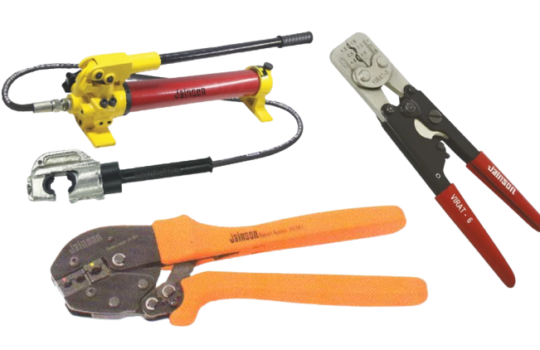
Jainson Tools, established in India in 1985, manufactures a range of professional tools for electrical and industrial applications, including manual cutting tools.
When comparing products, don’t look at the purchase price alone. Consider construction, cutting capacity, ergonomics, intended application, durability, and after-sales support.
The Right Cable Cutter Makes the Job Easier
Choosing a manual cable cutter doesn’t have to be complicated. Start by identifying the cable types and sizes you work with most often. Then consider cutting capacity, blade construction, handle design, leverage, durability, portability, and maintenance.
Most importantly, choose a tool that matches the job rather than simply choosing the largest or most powerful option available.
A properly selected manual cable cutter should make cutting cleaner, more controlled, and more comfortable. When the tool matches the application, even a repetitive task like cable cutting becomes noticeably easier.
Before making your purchase, check the manufacturer’s specifications and make sure the cutter is rated for the cables you intend to cut. The few minutes spent choosing the right tool can save considerable effort over hundreds or thousands of cuts.