In electrical installations, reliability begins with the quality of every connection. Whether you’re wiring a control panel, installing a solar power system, working on industrial machinery, or setting up power distribution networks, a properly crimped connection is essential for safe and efficient operation.
Yet, despite the availability of advanced crimping tools and high-quality connectors, electrical connection failures remain a common challenge across industries. In many cases, the root cause is not the cable or connector itself—it is an error made during the crimping process.
A poor crimp can increase electrical resistance, generate heat, reduce conductivity, and eventually lead to equipment malfunction or complete system failure. The good news is that most crimping-related issues are preventable with the right tools, techniques, and attention to detail.
Here are ten of the most common crimping mistakes and how to avoid them.
1. Using the Wrong Crimping Tool
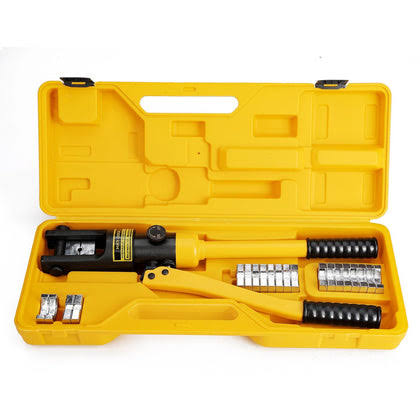
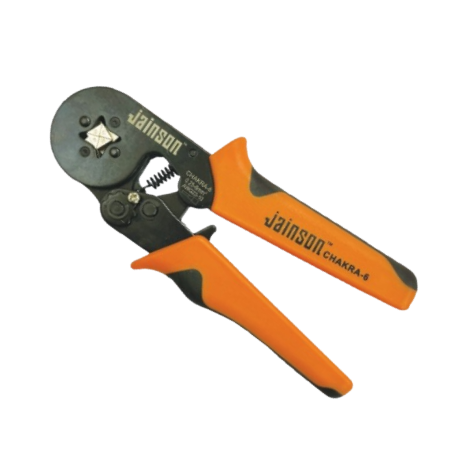
One of the most frequent mistakes is selecting a crimping tool that is not designed for the connector or cable being used.
Different terminals, cable lugs, and connectors require specific crimping profiles and compression forces. Using an unsuitable tool can result in loose or incomplete crimps that fail under load or vibration.
Before starting any project, ensure the crimping tool is compatible with the connector type and conductor size. Choosing a quality tool designed for the application is the first step toward achieving reliable connections.
2. Selecting the Incorrect Die Size
Even when the correct crimping tool is used, selecting the wrong die can compromise the connection.
A die that is too large may not provide sufficient compression, while a die that is too small can deform the connector and damage the conductor. Both situations can reduce electrical performance and mechanical strength.
Always verify die specifications and match them to the cable size and connector manufacturer’s recommendations.
3. Improper Cable Stripping
The quality of a crimp starts long before the compression process begins.
Many connection failures occur because the cable was stripped incorrectly. Removing too much insulation exposes unnecessary conductor length, while insufficient stripping prevents the conductor from fully entering the connector.
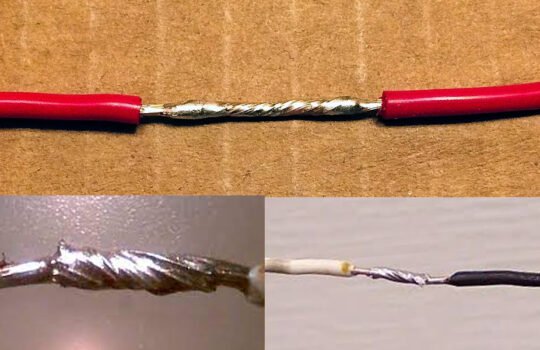
Another common issue is nicking or cutting conductor strands during stripping. Damaged strands reduce the effective conductor cross-section and weaken the connection.
Use appropriate wire stripping tools and follow recommended stripping lengths to ensure proper cable preparation.
4. Using Damaged or Worn-Out Tools
Crimping tools are precision instruments. Over time, repeated use can lead to wear and tear that affects crimp quality.
Damaged dies, worn mechanisms, or misaligned components can produce inconsistent crimps that may not meet required standards.
Regular inspection and maintenance are essential. If a tool shows signs of excessive wear, it should be serviced or replaced before it affects job quality.
Professional-grade tools are an investment, and proper maintenance helps ensure they continue delivering reliable performance for years.
5. Under-Crimping the Connection
Under-crimping occurs when insufficient force is applied to compress the connector around the conductor.
At first glance, the connection may appear acceptable, but internally it lacks the mechanical grip and electrical contact needed for long-term reliability.
Symptoms of under-crimping include:
- Loose connections
- Increased electrical resistance
- Excessive heat generation
- Premature failure under vibration
Using properly calibrated tools and following recommended crimping procedures can help eliminate this issue.
6. Over-Crimping the Connector
While insufficient compression is problematic, excessive compression can be equally damaging.
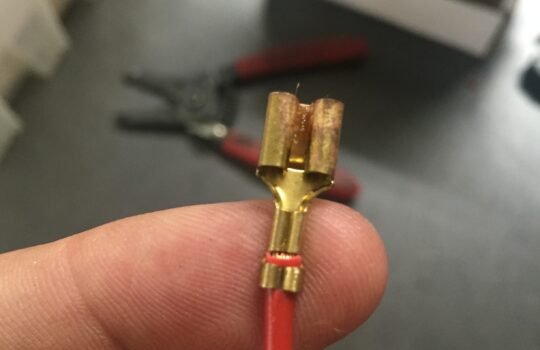
Over-crimping may deform the connector, damage conductor strands, or weaken the structural integrity of the termination. In severe cases, the conductor can become fractured, reducing both mechanical strength and electrical conductivity.
The goal of crimping is not maximum force—it is controlled and accurate compression.
Using the correct die and tool combination ensures the optimal balance between strength and conductivity.
7. Using Low-Quality Connectors and Lugs
Even the best crimping technique cannot compensate for poor-quality connectors.
Inferior cable lugs and terminals often have inconsistent dimensions, poor material quality, or inadequate plating. These factors can negatively impact both the crimping process and long-term performance.
Professionals understand that connection reliability depends on the entire system—not just the tool.
Choosing quality connectors from trusted manufacturers helps ensure durable and secure electrical terminations.
8. Ignoring Cable and Connector Compatibility
Not all cables and connectors are designed to work together.
For example, using a connector intended for copper conductors on aluminum cable can create performance and reliability issues. Similarly, mismatched cable sizes and terminal specifications may prevent proper compression.
Before crimping, always verify compatibility between:
- Cable type
- Conductor material
- Connector design
- Crimping specifications
A few minutes spent checking compatibility can prevent costly failures later.
9. Skipping Inspection After Crimping
Many installers complete a crimp and immediately move on to the next connection without inspection.
This can be a costly mistake.
Every crimp should be visually examined to verify:
- Proper conductor insertion
- Correct compression
- Absence of visible damage
- Secure mechanical attachment
In critical applications, pull tests and quality inspections may also be required.
A simple inspection process can identify issues before they become operational problems.
10. Neglecting Safety and Best Practices
Crimping may seem routine, but it remains a critical operation within electrical installations.
Rushing the process, ignoring manufacturer recommendations, or bypassing safety procedures can increase the risk of connection failure.
Professionals who consistently achieve high-quality results follow established best practices, including:
- Using appropriate tools
- Following installation guidelines
- Maintaining equipment
- Wearing proper safety gear
- Performing routine inspections
Attention to detail often separates reliable installations from problematic ones.
Why Crimping Quality Matters More Than Ever
Modern electrical systems are becoming increasingly sophisticated. From renewable energy projects and industrial automation to data centers and infrastructure developments, the demand for dependable electrical connections continues to grow.
A single failed connection can result in:
- Equipment downtime
- Increased maintenance costs
- Production losses
- Safety risks
- Reduced system performance
This is why professional crimping practices are more important than ever before.
Investing in high-quality tools, proper training, and proven procedures can significantly reduce failure rates and improve long-term reliability.
Final Thoughts
Electrical connection failures rarely happen without warning. In many cases, they can be traced back to avoidable mistakes made during cable preparation, tool selection, or the crimping process itself.
By avoiding these ten common crimping mistakes, professionals can improve connection quality, increase system reliability, and reduce costly rework.
Remember, successful crimping is not just about applying pressure—it is about creating a secure, low-resistance connection that performs consistently throughout the life of the installation.
At Jainson, we believe that precision, quality, and reliability are the foundations of every successful electrical connection. With the right tools and the right techniques, professionals can achieve safer, stronger, and more dependable results on every project.
Because when it comes to electrical systems, every connection counts.