When it comes to creating reliable electrical connections, one question continues to spark debate among electricians, technicians, and engineers: Should you crimp or solder? Both methods have been used for decades, and each has its place depending on the application. However, choosing the wrong technique can lead to poor conductivity, equipment failure, or costly maintenance.
Whether you’re assembling control panels, installing industrial machinery, working on automotive wiring, or handling electrical maintenance, understanding the strengths and limitations of both crimping and soldering will help you make the right decision.
Understanding Crimping
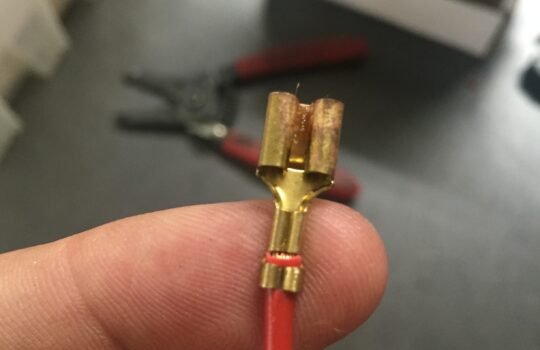
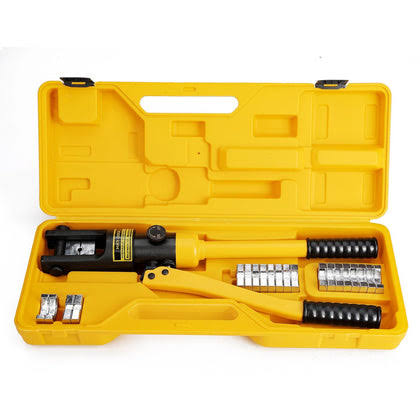
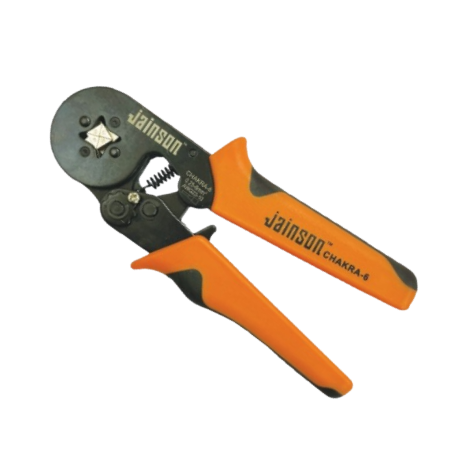
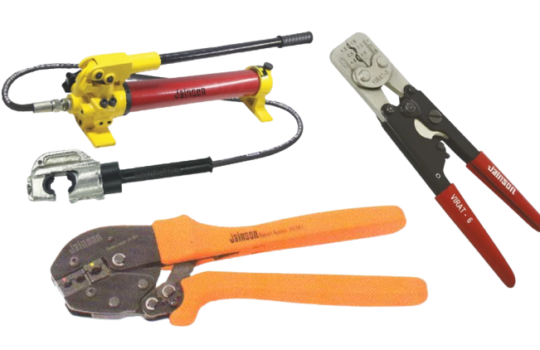
Crimping is a mechanical method of joining a wire to a connector by compressing the connector around the conductor using a specialized crimping tool. The process creates a tight bond without applying heat.
A properly executed crimp forms a secure electrical and mechanical connection. The connector grips the wire strands tightly, minimizing air gaps and reducing the chances of oxidation or corrosion.
Today, crimping is widely used in industries such as power distribution, telecommunications, renewable energy, railways, automotive manufacturing, aerospace, and industrial automation because it provides fast, consistent, and dependable connections.
Understanding Soldering
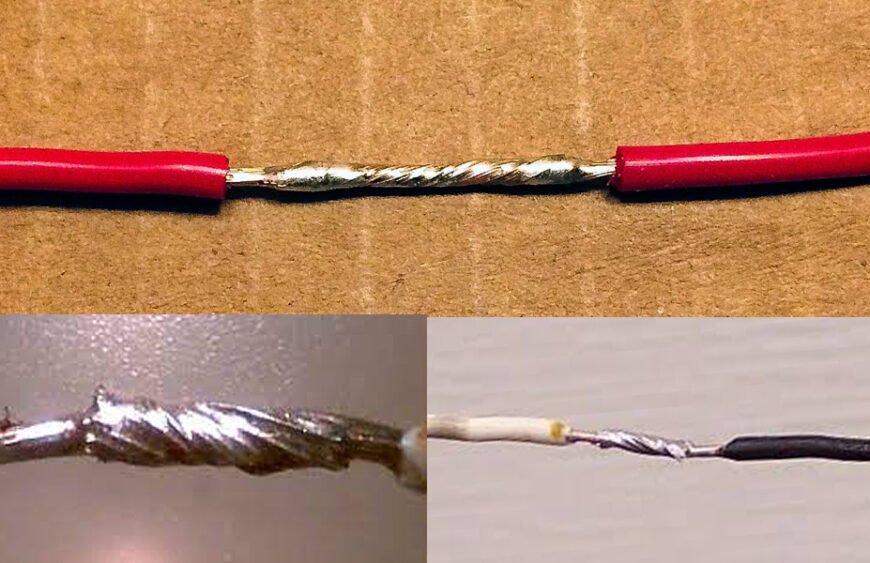
Soldering joins wires by melting a filler metal—known as solder—between the conductors. As the solder cools, it hardens and creates an electrical connection.
For many years, soldering was considered the standard method for electronics and delicate electrical assemblies. It remains an excellent choice for printed circuit boards (PCBs), electronic components, and applications requiring compact, permanent joints.
Unlike crimping, soldering requires heat, flux, and careful temperature control to achieve a quality connection.
Comparing Crimping and Soldering
Although both methods aim to create reliable electrical connections, they perform differently in real-world conditions.
Installation Speed
Crimping is significantly faster. Once the correct connector and die are selected, each connection takes only a few seconds. This makes it ideal for projects involving hundreds or even thousands of wire terminations.
Soldering, on the other hand, is more time-consuming. Each joint requires preparation, heating, solder application, cooling, and inspection.
For large electrical installations, crimping offers a clear productivity advantage.
Mechanical Strength
A professionally crimped connection provides excellent mechanical strength. Because the wire remains flexible beyond the connector, it can better withstand pulling forces, movement, and vibration.
Soldered joints can become rigid. Heat causes solder to wick into the wire strands, creating a stiff section that may crack or fatigue over time if exposed to repeated movement.
This is one reason why many industries that experience constant vibration—such as automotive, railway, and heavy machinery—prefer crimped connections.
Electrical Performance
Both crimped and soldered connections can provide excellent electrical conductivity when executed correctly.
A high-quality crimp creates a gas-tight connection that limits oxygen exposure and reduces corrosion. This helps maintain low electrical resistance over the life of the connection.
A well-made solder joint also offers excellent conductivity. However, poor soldering techniques—such as cold joints, insufficient heating, or excessive solder—can increase resistance and lead to unreliable performance.
Ultimately, the quality of the workmanship matters more than the method itself.
Reliability in Harsh Environments
Industrial environments often expose electrical connections to vibration, moisture, dust, temperature changes, and mechanical stress.
Crimped connections generally perform better under these demanding conditions because they maintain flexibility while providing strong mechanical support.
Many international standards and equipment manufacturers specify crimping for field wiring because of its proven long-term reliability.
Soldered joints remain suitable in stable environments where vibration and movement are minimal, particularly within electronic equipment.
Ease of Maintenance
Crimped terminals are relatively easy to replace during maintenance. If a connector becomes damaged, technicians can simply cut it off and install a new terminal using the appropriate crimping tool.
Repairing soldered joints often requires desoldering equipment, cleaning the joint, and carefully applying fresh solder, making maintenance slower and more labor-intensive.
Where Crimping Is the Better Choice
Crimping has become the preferred method for many industrial and commercial applications.
It is commonly used for:
- Power cable terminations
- Electrical control panels
- Industrial machinery
- Automotive wiring harnesses
- Renewable energy installations
- Railway electrical systems
- Marine electrical connections
- Telecommunication infrastructure
These industries value the speed, consistency, durability, and reliability that properly crimped connections provide.
Where Soldering Still Excels
Despite the widespread adoption of crimping, soldering remains essential in many situations.
It is particularly suitable for:
- Printed circuit boards (PCBs)
- Electronic component assembly
- Prototype electronics
- Small signal wiring
- Precision electronic repairs
- Consumer electronics manufacturing
These applications often involve delicate components where compact, permanent joints are more important than resistance to mechanical stress.
Common Mistakes to Avoid
Regardless of which method you choose, poor workmanship can compromise the connection.
For crimping, common mistakes include selecting the wrong terminal size, using an incorrect die, applying insufficient crimping force, or using low-quality connectors.
For soldering, common issues include overheating the conductor, creating cold solder joints, using too much solder, or failing to clean the surfaces before soldering.
Using the correct tools, following manufacturer recommendations, and inspecting every connection are essential for achieving reliable results.
Industry Standards Favour Crimping
Modern electrical standards increasingly recommend crimped terminations for field wiring and industrial installations.
Many equipment manufacturers discourage soldering stranded conductors before inserting them into screw terminals. Over time, solder can deform under pressure, causing loose connections and increased resistance.
Crimped ferrules and cable lugs provide a more stable and dependable solution, helping maintain secure electrical contact throughout the service life of the installation.
So, Which Connection Method Is Better?
The answer depends on the application.
If you’re working on electronic circuits or delicate PCB assemblies, soldering remains the ideal choice because it creates compact, precise joints.
However, for most industrial, commercial, and power applications, crimping offers clear advantages. It delivers faster installation, excellent mechanical strength, reliable electrical performance, easier maintenance, and superior resistance to vibration and environmental stress.
With the right crimping tool, matched dies, and high-quality cable lugs, a properly executed crimp can provide years of trouble-free performance.
Conclusion
Crimping and soldering are both valuable techniques, but they are designed for different purposes. Understanding where each method performs best allows electricians, engineers, and technicians to build safer, more reliable electrical systems.
As industries continue to demand faster installations, greater reliability, and lower maintenance costs, crimping has become the preferred connection method for most professional electrical applications. Investing in quality crimping tools and following proper installation practices not only improves connection quality but also enhances the overall safety and longevity of every electrical project.
nection counts.