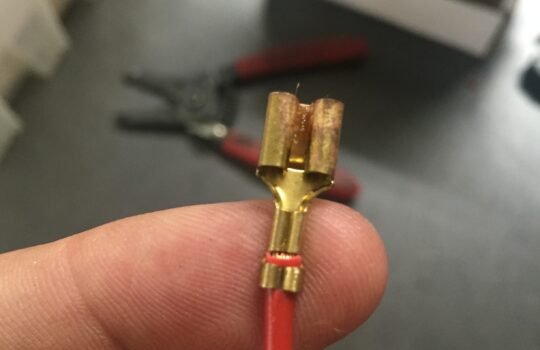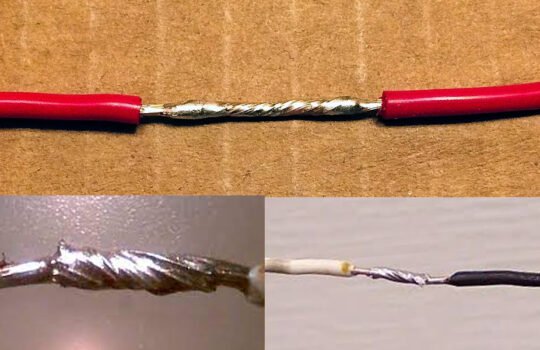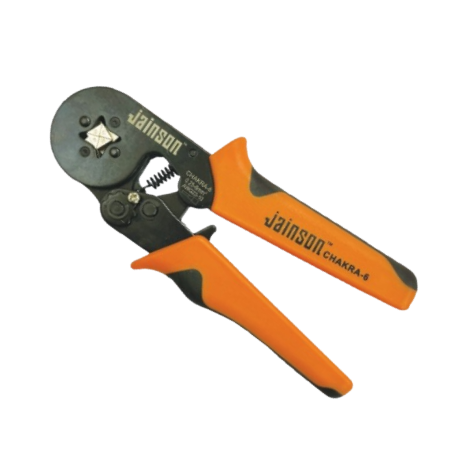
Choosing the right crimping tool is about more than simply picking a product that fits your budget. The quality of your electrical connections—and ultimately the safety and reliability of your work—depends on using a tool that matches your application.
Whether you’re an electrician, maintenance engineer, panel builder, or industrial contractor, the right crimping tool can make your job faster, easier, and more accurate. On the other hand, using the wrong tool can lead to loose connections, damaged terminals, increased downtime, and costly rework.
With so many manual, hydraulic, and battery-powered crimping tools available in the market, it can be difficult to know which one is the right choice. Instead of focusing only on price or appearance, it’s important to evaluate the features that directly affect performance, durability, and ease of use.
Here are five essential features to consider before investing in a crimping tool.
1. Compatibility with Wire and Terminal Sizes
The first and most important consideration is whether the crimping tool is compatible with the wire sizes and terminals you use most often.
Electrical projects vary widely. Residential wiring typically involves smaller conductors, while industrial installations, power distribution systems, and renewable energy projects often require much larger cable sizes.
A tool designed for small insulated terminals won’t deliver reliable results on heavy-duty cable lugs. Likewise, a large hydraulic crimping tool isn’t practical for precision work on smaller wires.
Before purchasing, check the tool’s crimping range and ensure it supports the conductor sizes and terminal types used in your daily work. This includes copper lugs, aluminium lugs, ferrules, insulated terminals, non-insulated terminals, and other specialized connectors.
Choosing a tool with the correct capacity ensures secure electrical connections while reducing the risk of damaged terminals or incomplete crimps.
2. Build Quality and Durability
A crimping tool is a long-term investment, especially for professionals who use it every day.
High-quality tools are manufactured from hardened steel and engineered to withstand repeated use without losing accuracy. Durable materials help resist wear, corrosion, and mechanical stress, allowing the tool to maintain consistent performance over time.
Pay close attention to the overall construction. Smooth-moving joints, strong handles, precision-machined dies, and robust locking mechanisms are all signs of a well-built tool.
If you frequently work in demanding environments such as construction sites, manufacturing plants, or outdoor installations, durability becomes even more important. Dust, moisture, vibration, and temperature changes can quickly affect lower-quality tools.
Although premium tools may cost more initially, they often deliver better reliability, lower maintenance costs, and a longer service life.
3. Comfortable and Ergonomic Design
Crimping may seem like a simple task, but repeated use throughout the day can place significant strain on your hands and wrists.
An ergonomic design improves comfort while reducing fatigue, allowing you to maintain productivity during long working hours.
Look for features such as cushioned grips, non-slip handles, balanced weight distribution, and smooth operating mechanisms. These details may seem minor, but they make a noticeable difference when completing hundreds of crimps in a single project.
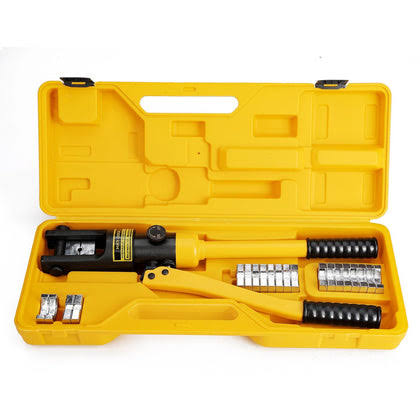
For applications involving large conductors, hydraulic crimping tools reduce the amount of physical effort required compared to manual tools. They generate high crimping force with minimal operator effort, making them ideal for heavy-duty industrial applications.
Choosing a tool that feels comfortable in your hands not only improves efficiency but also helps produce more consistent crimps.
4. Precision and Crimping Accuracy
Even the strongest tool is of little value if it cannot produce accurate, repeatable crimps.
A quality crimping tool applies uniform pressure across the connector, creating a secure mechanical bond and reliable electrical contact. Consistent crimping force reduces the likelihood of loose terminals, excessive resistance, or overheating.
Many professional manual crimping tools include ratchet mechanisms that ensure the crimping cycle is completed before the tool releases. This feature helps prevent under-crimping and improves consistency, especially when multiple technicians are working on the same project.
Hydraulic crimping tools achieve high levels of accuracy by delivering controlled compression force across larger cable lugs.
Precision becomes especially important in industries such as electrical power distribution, telecommunications, railways, renewable energy, and industrial automation, where connection failures can have serious operational consequences.
5. Ease of Maintenance and Availability of Spare Parts
A crimping tool should continue performing reliably for years, provided it receives proper maintenance.
Before purchasing, consider how easy the tool is to clean, inspect, and service. Some tools are designed with easily replaceable dies, accessible moving parts, and simple maintenance procedures that minimize downtime.
It’s also worth checking whether replacement dies, spare parts, seals, or repair kits are readily available.
For hydraulic crimping tools, manufacturer support becomes particularly valuable. Regular servicing, seal replacement, and hydraulic maintenance can significantly extend the tool’s working life.
Choosing a reputable manufacturer with dependable after-sales support ensures that your investment remains productive for many years rather than becoming unusable due to unavailable components.
Why Quality Matters More Than Price
It’s tempting to choose the least expensive crimping tool available, particularly for occasional use. However, the true cost of a tool isn’t measured only by its purchase price.
Poor-quality crimping tools can produce inconsistent connections, increase installation time, and require frequent replacement. Even worse, unreliable electrical connections may lead to equipment failures, costly repairs, and safety hazards.
A well-designed crimping tool provides consistent performance, reduces rework, and delivers greater confidence in every electrical connection. Over time, this translates into lower operating costs and higher productivity.
Matching the Tool to the Application
Not every project requires the same type of crimping tool. Selecting the right category is just as important as evaluating individual features.
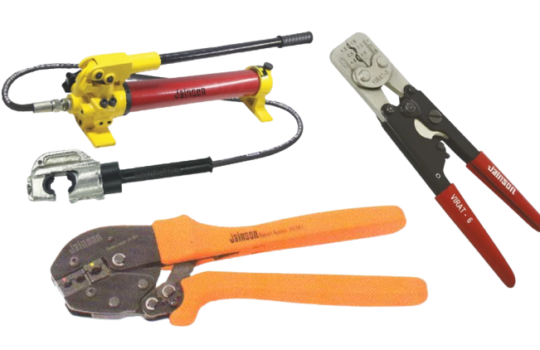
- Manual crimping tools are ideal for light- to medium-duty electrical work, maintenance tasks, and everyday installations involving smaller conductors.
- Hydraulic crimping tools are best suited for large cable lugs, heavy-duty industrial applications, substations, and power distribution systems where high crimping force is required.
- Pneumatic or battery-powered crimping tools are excellent for high-volume production environments, helping increase speed while reducing operator fatigue.
Choosing the correct tool for your workload improves efficiency and ensures consistently reliable results.
Final Thoughts
Buying a crimping tool is an investment in the quality of your electrical work. Instead of focusing solely on cost, evaluate the features that have the greatest impact on performance and long-term reliability.
A tool that offers the right wire compatibility, durable construction, ergonomic handling, precision crimping, and easy maintenance will serve you far better than one selected purely on price.
Whether you’re working on industrial installations, control panels, automotive wiring, renewable energy systems, or electrical maintenance projects, choosing the right crimping tool helps create secure, long-lasting electrical connections that stand the test of time.
When paired with quality connectors and proper crimping techniques, a dependable crimping tool becomes an essential partner in delivering safe, efficient, and professional electrical installations.