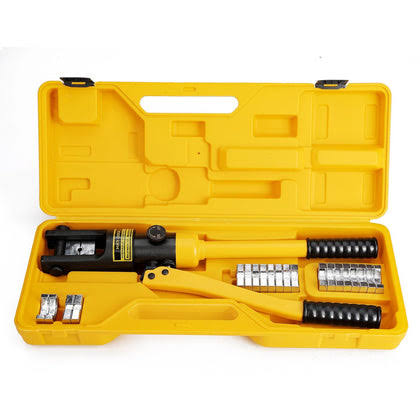
Electrical crimp connections are designed to provide secure, low-resistance, and long-lasting joints between conductors and terminals. When installed correctly using quality connectors and the appropriate crimping tool, these connections can perform reliably for many years. However, even the best crimped connection can deteriorate if it is exposed to harsh environmental conditions without proper protection.
Weather, moisture, temperature changes, and corrosion are some of the biggest threats to electrical connections. Whether it’s an industrial plant, a solar farm, a coastal installation, or an outdoor electrical panel, environmental factors can gradually weaken crimped joints, increase electrical resistance, and eventually lead to equipment failure.
Understanding how weather affects electrical crimp connections is the first step toward preventing costly breakdowns and ensuring long-term system reliability.
Why Crimp Connections Are Vulnerable
A properly crimped connection forms a tight mechanical bond between the conductor and the terminal. The compression removes air pockets and creates excellent electrical contact, minimizing resistance and reducing the risk of oxidation.
However, no electrical connection is completely immune to environmental exposure. Over time, moisture, dust, chemicals, and temperature fluctuations can penetrate poorly sealed or damaged connections. Once corrosion begins, the performance of the entire electrical system can be compromised.
This is why choosing the right materials, installation techniques, and maintenance practices is just as important as selecting the right crimping tool.
The Impact of Moisture
Water is one of the most common causes of electrical connection failures.
Rain, condensation, humidity, and accidental water exposure can allow moisture to enter cable terminations, especially if the connectors are not properly sealed. Once moisture reaches the conductor, oxidation begins to develop on the metal surfaces.
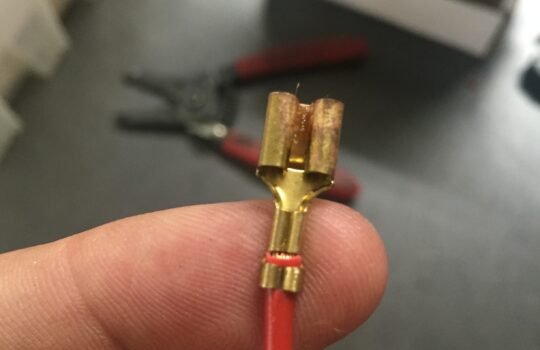
Copper, although highly conductive, reacts with oxygen and moisture to form copper oxide. This thin layer acts as an electrical barrier, increasing resistance and reducing the efficiency of the connection.
In severe cases, prolonged moisture exposure can cause complete corrosion of the conductor, leading to intermittent faults or total circuit failure.
Outdoor installations, underground cable systems, and marine environments are especially vulnerable to this type of damage.
Temperature Changes and Thermal Expansion
Electrical systems often operate in environments where temperatures fluctuate throughout the day or across seasons.
As temperatures rise, conductors and connectors expand. When temperatures drop, they contract. This continuous cycle of expansion and contraction places mechanical stress on electrical joints.
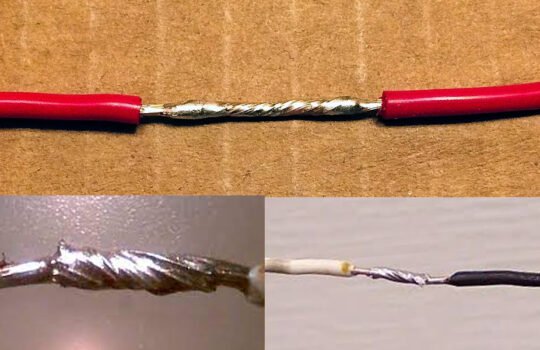
If a crimp connection has not been made correctly or lacks sufficient compression, these repeated movements can gradually loosen the connection.
Loose connections create higher electrical resistance, which generates heat during operation. Excessive heat accelerates material degradation and increases the likelihood of failure.
In industrial facilities and power distribution systems, thermal cycling is a common reason why regular inspection of electrical connections is essential.
Corrosion: The Silent Enemy
Corrosion develops gradually, making it one of the most dangerous threats to electrical systems.
Unlike obvious mechanical damage, corrosion often remains hidden inside connectors until performance problems appear.
Several factors contribute to corrosion, including:
- High humidity
- Salt-laden coastal air
- Industrial chemicals
- Acidic environments
- Water ingress
- Pollution
As corrosion spreads, the effective contact area between the conductor and the connector decreases. Electrical resistance rises, heat generation increases, and the connection becomes progressively weaker.
Eventually, the connector may fail completely, resulting in equipment downtime or even electrical hazards.
Coastal and Marine Environments
Installations near the sea present unique challenges.
Salt particles carried by ocean air significantly accelerate corrosion on exposed metal components. Even when there is no direct contact with seawater, salt deposits attract moisture and create ideal conditions for oxidation.
Electrical systems used in ports, offshore platforms, ships, and coastal industries require corrosion-resistant materials and properly sealed crimp connections.
Using tinned copper lugs, heat-shrink tubing, and protective coatings can greatly improve the service life of these installations.
Industrial Pollution and Chemicals
Factories and processing plants often expose electrical equipment to aggressive chemicals, oils, solvents, and airborne contaminants.
These substances can attack connector surfaces and protective coatings, making corrosion occur much faster than in clean environments.
Chemical plants, mining operations, fertilizer facilities, and wastewater treatment plants are examples where electrical connections require additional protection.
Selecting connectors specifically designed for harsh industrial conditions helps maintain long-term reliability.
The Effect of Corrosion on Electrical Performance
Corrosion doesn’t simply affect appearance—it directly impacts electrical efficiency.
As corrosion develops, electrical resistance increases. Higher resistance causes the connection to generate more heat whenever current flows through it.
Excessive heat may lead to:
- Voltage drops
- Reduced equipment efficiency
- Insulation damage
- Connector deformation
- Increased energy loss
- Risk of electrical fire
What begins as a small amount of surface oxidation can eventually become a major maintenance issue if left unchecked.
How to Protect Crimp Connections from Weather
Fortunately, weather-related failures can often be prevented through proper installation and maintenance.
One of the most effective measures is selecting the correct connector for the environment. Tinned copper terminals offer better corrosion resistance than untreated copper, especially in humid or coastal locations.
Sealing the connection with heat-shrink tubing provides an additional barrier against moisture and contaminants. Adhesive-lined heat-shrink sleeves create a waterproof seal that significantly improves durability.
Using weatherproof junction boxes and cable glands also helps prevent water ingress into electrical systems installed outdoors.
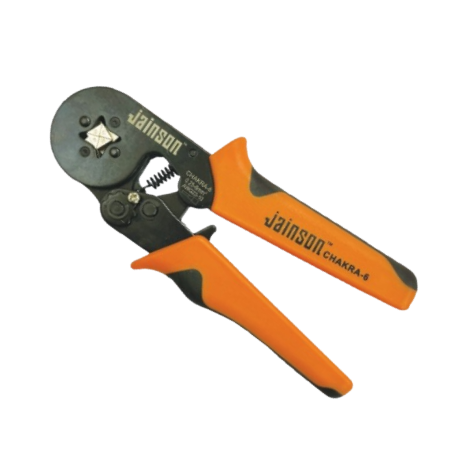
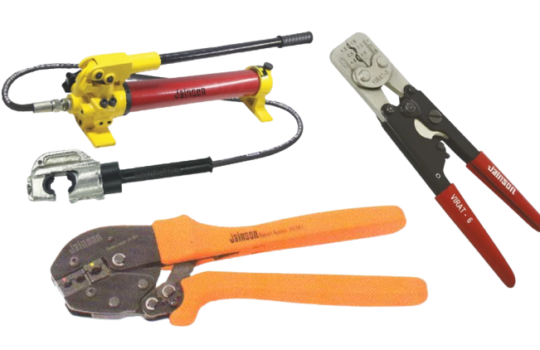
Equally important is ensuring that every crimp is completed using the correct die and a properly maintained crimping tool. A tight, uniform crimp minimizes gaps where moisture could enter.
The Importance of Regular Inspection
Even well-protected electrical systems benefit from periodic inspection.
Routine maintenance should include checking for signs of corrosion, discoloration, overheating, loose terminals, or damaged insulation. Any connector showing evidence of corrosion should be replaced rather than repaired.
In critical installations such as substations, manufacturing plants, renewable energy systems, and transportation infrastructure, preventive maintenance significantly reduces the risk of unexpected failures.
Detecting corrosion early is almost always less expensive than repairing equipment damaged by failed electrical connections.
Best Practices for Long-Lasting Crimp Connections
To maximize the life of electrical crimp connections:
- Use high-quality cable lugs and terminals.
- Match the connector to the conductor size.
- Always use the correct crimping die.
- Protect outdoor connections with heat-shrink tubing.
- Choose corrosion-resistant materials where necessary.
- Store connectors in dry conditions before installation.
- Inspect electrical systems regularly.
- Replace damaged or corroded connectors immediately.
These simple practices help maintain both electrical performance and safety throughout the service life of the installation.
Conclusion
Weather and corrosion are unavoidable challenges in many electrical installations, but they don’t have to lead to connection failures. Moisture, temperature fluctuations, salt air, industrial pollutants, and oxidation can all reduce the performance of crimped connections if proper precautions are not taken.
By using quality crimping tools, selecting the right connectors, protecting joints from environmental exposure, and performing regular inspections, electricians and engineers can greatly extend the lifespan of their electrical systems.
A well-executed crimp is more than just a connection—it’s the foundation of a safe, efficient, and reliable electrical installation. Protecting that connection from weather and corrosion ensures dependable performance for years to come, even in the most demanding environments.