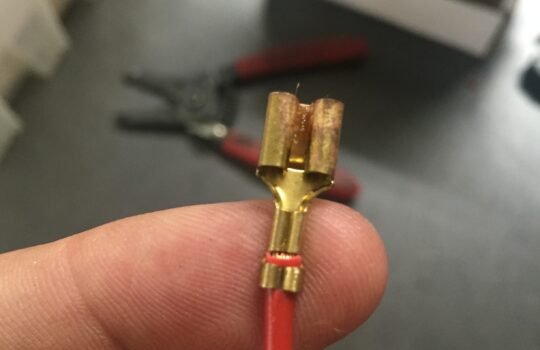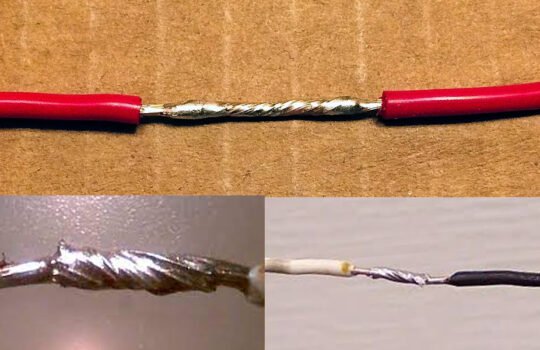
In electrical installations, every connection matters. A properly crimped cable lug or terminal can provide years of reliable performance, while a poor connection can lead to overheating, equipment failure, and costly downtime. That’s why professionals across industries—from electricians and panel builders to utility contractors and maintenance teams—rely on quality crimping tools to get the job done right.
When selecting a crimping tool, one of the most common questions professionals face is whether to choose a manual crimping tool or a hydraulic crimping tool. Both serve the same fundamental purpose: creating secure and dependable electrical connections. However, they differ significantly in terms of capacity, operating force, efficiency, and application.
The right choice depends on the type of work you perform, the cable sizes you handle, and the volume of crimping required. Understanding these differences can help you invest in the right tool and improve productivity, safety, and overall job quality.
Understanding Manual Crimping Tools
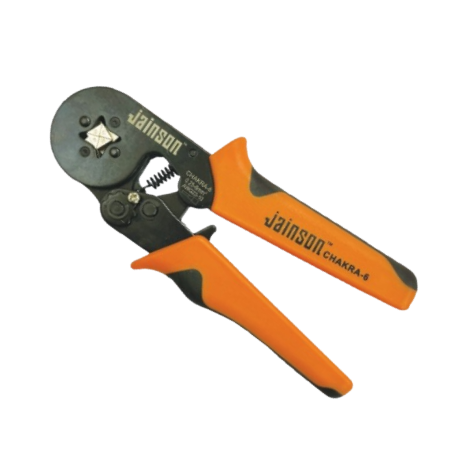
Manual crimping tools are among the most widely used tools in the electrical industry. Operated entirely by hand, these tools use mechanical leverage to compress cable lugs, terminals, and connectors onto conductors.
For decades, manual crimpers have been trusted by electricians because they are simple, portable, and easy to use. Whether you’re wiring a control panel, installing electrical fixtures, or performing routine maintenance, a manual crimping tool is often the first tool within reach.
One of the biggest advantages of manual crimpers is their convenience. They require no power source, no hydraulic system, and minimal maintenance. Their compact design allows technicians to carry them easily between job sites, making them ideal for fieldwork.
Manual crimping tools are particularly effective for small to medium-sized conductors where the required crimping force remains manageable.
Advantages of Manual Crimping Tools
- Lightweight and portable
- Affordable investment cost
- Easy operation
- Minimal maintenance requirements
- Ideal for field service and everyday electrical work
- Suitable for low and medium-volume crimping applications
Limitations of Manual Crimping Tools
While manual crimpers offer flexibility and simplicity, they also have limitations.
As cable sizes increase, the amount of force needed to achieve a proper crimp rises significantly. This can make larger crimping jobs physically demanding and time-consuming. Repeated use throughout the day may also lead to operator fatigue, especially during high-volume projects.
For heavy-duty industrial applications, manual crimpers may not always provide the consistency and efficiency required.
Understanding Hydraulic Crimping Tools
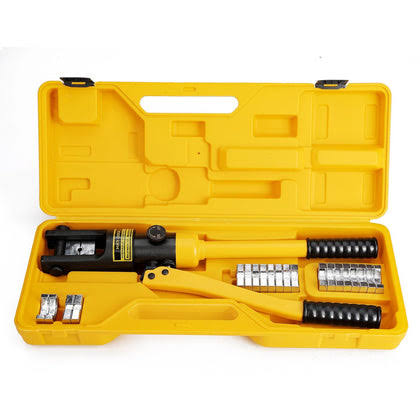
Hydraulic crimping tools are designed to overcome the challenges associated with larger conductors and high-force applications.
Instead of relying solely on hand strength, hydraulic crimpers use hydraulic pressure to generate powerful and consistent crimping force. This allows operators to work with larger cable sizes while exerting significantly less physical effort.
Hydraulic crimping tools have become essential in industries such as power distribution, infrastructure development, renewable energy, railways, telecommunications, and heavy industrial installations.
These tools are particularly valuable when working with large copper or aluminum conductors that require substantial compression to create a secure connection.
Advantages of Hydraulic Crimping Tools
- High crimping force
- Suitable for larger cable sizes
- Reduced operator effort
- Consistent crimp quality
- Faster completion of heavy-duty projects
- Improved productivity for professional users
Hydraulic systems help ensure that every crimp receives uniform pressure, reducing the risk of inconsistent connections and improving overall reliability.
Limitations of Hydraulic Crimping Tools
Hydraulic crimpers generally require a higher initial investment compared to manual tools. They are also larger and heavier, which may not be necessary for small electrical tasks.
For electricians who primarily work with smaller cables and occasional crimping jobs, a hydraulic tool may offer more capacity than required.
Comparing Manual and Hydraulic Crimping Tools
When deciding between the two, it’s important to compare them across several practical factors.
Crimping Capacity
Manual crimping tools perform exceptionally well for smaller cable sizes and routine installations. However, as conductor sizes increase, hydraulic tools become the more effective solution.
If your projects regularly involve large cable lugs and heavy-duty electrical connections, hydraulic crimpers provide the necessary force and consistency.
Operator Effort
One of the most noticeable differences is the amount of physical effort required.
Manual crimping relies entirely on hand strength and leverage. While manageable for occasional use, repetitive crimping can become tiring.
Hydraulic crimpers dramatically reduce operator effort, making them ideal for extended work sessions and large projects.
Productivity
For low-volume tasks, manual crimpers remain highly efficient.
However, when dozens or hundreds of crimps must be completed daily, hydraulic tools significantly improve productivity. The reduced effort and faster operation allow technicians to complete projects more efficiently.
Cost
Manual crimpers are generally more budget-friendly and represent an excellent choice for small businesses, electricians, and maintenance personnel.
Hydraulic tools involve a greater upfront investment, but they often deliver long-term value through improved efficiency, reduced labor effort, and enhanced crimp quality.
Portability
Manual tools are compact and easy to transport.
Hydraulic crimpers, while increasingly portable thanks to modern designs, are generally bulkier and may require additional accessories or carrying cases.
Which Tool Is Best for Your Application?
The answer depends largely on the nature of your work.
Choose a Manual Crimping Tool If:
- You work primarily with smaller conductors.
- Crimping tasks are occasional rather than continuous.
- Portability is a top priority.
- You require a cost-effective solution.
- Your work involves routine electrical installations and maintenance.
Manual crimpers remain an excellent choice for electricians, technicians, and contractors who need dependable performance for everyday applications.
Choose a Hydraulic Crimping Tool If:
- You frequently work with large cable sizes.
- Your projects involve power distribution or industrial systems.
- Productivity and efficiency are critical.
- You perform high-volume crimping operations.
- You want to reduce operator fatigue.
Hydraulic crimpers are particularly valuable for utility contractors, infrastructure projects, renewable energy installations, and industrial maintenance teams.
Investing in Long-Term Performance
When selecting a crimping tool, it is important to think beyond immediate project requirements. Consider future growth, changing customer demands, and the types of installations you may encounter in the years ahead.
Many professionals begin with manual crimping tools and later expand their toolkit with hydraulic equipment as project complexity and workload increase.
The best tool is ultimately the one that delivers reliable, repeatable results while supporting your efficiency and safety objectives.
Final Thoughts
Both manual and hydraulic crimping tools play vital roles in modern electrical work. Neither option is universally better—the ideal choice depends on your application, workload, and operational requirements.
Manual crimpers offer affordability, portability, and convenience for everyday electrical tasks. Hydraulic crimpers provide the power, consistency, and efficiency needed for larger conductors and demanding projects.
By carefully evaluating your needs and choosing the right tool for the job, you can improve connection quality, enhance productivity, and ensure long-term reliability in every electrical installation.
At Jainson, we understand that professionals depend on tools they can trust. That’s why our range of manual and hydraulic crimping solutions is engineered to deliver precision, durability, and performance across a wide variety of electrical applications. Whatever the project, the right crimping tool can make all the difference.