In the world of electrical installations, the quality of a connection can determine the reliability, safety, and longevity of an entire system. Whether you’re working on a residential wiring project, an industrial control panel, a solar installation, or a large-scale power distribution network, one thing remains constant: secure electrical connections matter.
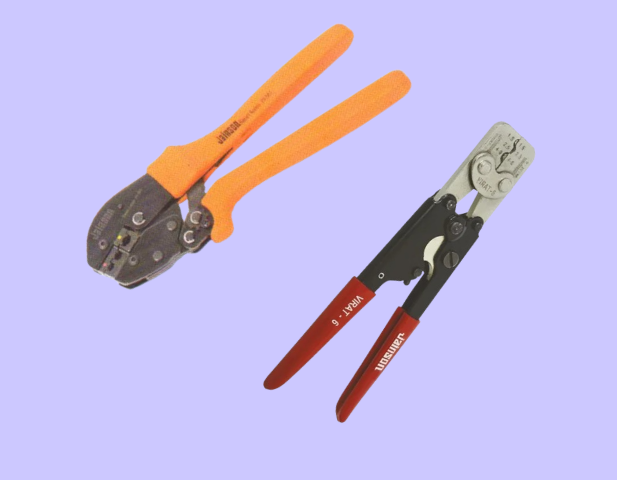
At the heart of these connections lies a simple yet essential tool—the crimping tool.
While crimping may appear straightforward, choosing the right crimping tool is often more complex than many professionals realize. Using an unsuitable tool can result in loose connections, increased resistance, overheating, and even system failures. On the other hand, selecting the right crimping tool ensures consistent performance, improved safety, and greater efficiency on the job.
This guide will help you understand the key factors to consider when choosing the right crimping tool for your electrical applications.
Why Crimping Quality Matters
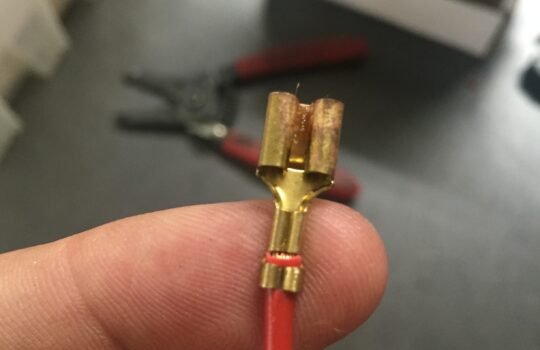
Every electrical connection must provide a reliable path for current flow. A poorly executed crimp can create resistance at the connection point, generating heat and reducing system performance. Over time, this may lead to equipment damage, unexpected downtime, or safety hazards.
Professional electricians and technicians rely on properly crimped connections because they provide:
- Strong mechanical strength
- Excellent electrical conductivity
- Resistance to vibration
- Long-term reliability
- Enhanced workplace safety
The quality of the crimp depends not only on the operator’s skill but also on selecting the appropriate tool for the job.
Understand Your Application First
Before purchasing a crimping tool, it is important to evaluate the specific application.
Ask yourself:
- What type of cable am I working with?
- What is the cable size?
- Which type of terminal or lug will be used?
- How frequently will the tool be used?
- Is the work performed in the field or in a production environment?
The answers to these questions will narrow down the most suitable crimping solution.
For example, a maintenance technician handling occasional wiring repairs may require a compact manual crimping tool, while a power utility contractor working with large-diameter cables may benefit from a hydraulic crimping system.
Know the Different Types of Crimping Tools
Manual Crimping Tools
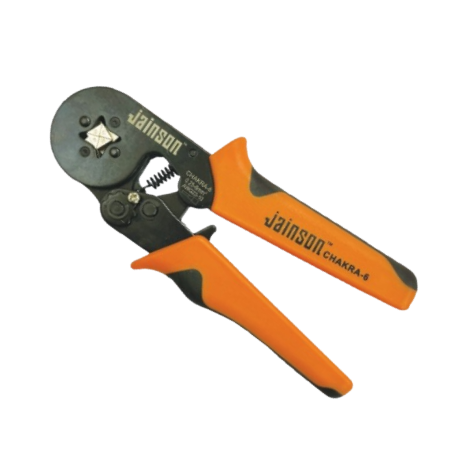
Manual crimping tools are among the most widely used tools in the electrical industry. They are ideal for smaller cable sizes and routine installation work.
Advantages include:
- Lightweight and portable
- Cost-effective
- Easy to operate
- Suitable for field applications
Manual crimpers are commonly used by electricians, panel builders, maintenance personnel, and technicians handling low- to medium-volume crimping tasks.
Hydraulic Crimping Tools
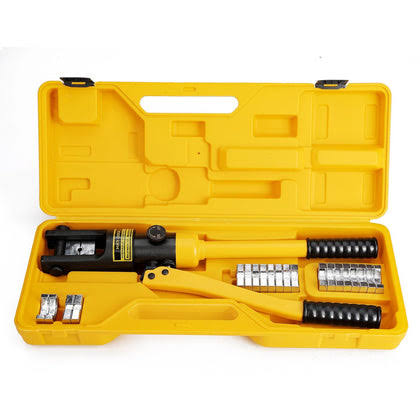
Hydraulic crimping tools are designed for larger cables and heavy-duty applications where significant crimping force is required.
Advantages include:
- Higher crimping capacity
- Reduced operator effort
- Consistent crimp quality
- Suitable for industrial and utility projects
These tools are commonly used in power distribution, substations, infrastructure projects, railways, and large industrial installations.
Pneumatic Crimping Tools
Pneumatic crimping tools use compressed air to perform crimping operations.
Advantages include:
- Faster operation
- Improved productivity
- Reduced operator fatigue
- Consistent results in repetitive applications
They are frequently used in manufacturing facilities and production environments where large volumes of crimps are required every day.
Consider Cable Size and Crimping Capacity
One of the most important factors when selecting a crimping tool is matching the tool’s capacity to the cable size being used.
Every crimping tool is designed to operate within a specific range of conductor sizes. Choosing a tool that is too small may prevent proper compression, while an oversized tool may damage the connector.
Always verify:
- Conductor size range
- Maximum crimping capacity
- Compatibility with cable lugs and terminals
- Manufacturer specifications
Selecting a tool with the appropriate capacity ensures both performance and safety.
Evaluate Die Compatibility
The crimping die plays a crucial role in forming the connection.
Different terminals and lugs require specific die profiles to achieve the correct compression. Before purchasing a crimping tool, verify that compatible dies are available for your intended applications.
A versatile tool that supports interchangeable dies can provide flexibility when working with multiple cable sizes and connector types.
This is especially valuable for contractors and service professionals who encounter diverse installation requirements.
Think About Work Environment
The working environment can significantly influence tool selection.
If technicians frequently travel between job sites, portability becomes important. Compact manual or battery-assisted hydraulic tools may offer the best balance between mobility and performance.
For industrial facilities and production lines, speed and repeatability often take priority. In such cases, pneumatic systems can improve productivity while maintaining consistent crimp quality.
Additionally, tools used in demanding environments should offer:
- Durable construction
- Corrosion resistance
- Ergonomic design
- Long service life
Investing in robust equipment can reduce maintenance costs and improve operational efficiency over time.
Prioritize Safety and Ergonomics
Electrical professionals often perform repetitive tasks throughout the day. Poorly designed tools can contribute to hand fatigue, discomfort, and reduced productivity.
Look for features such as:
- Ergonomic handles
- Comfortable grip design
- Reduced operating force
- Secure locking mechanisms
- Easy die replacement systems
A well-designed tool not only improves comfort but also helps operators achieve more consistent results.
Safety should never be compromised when working with electrical systems. Choosing a high-quality crimping tool is an important step toward creating secure and reliable connections.
Don’t Focus Only on Price
When purchasing professional tools, it can be tempting to choose the lowest-cost option. However, the true value of a crimping tool lies in its performance, durability, and reliability.
A high-quality tool may offer:
- Longer service life
- Better crimp consistency
- Reduced rework
- Improved productivity
- Lower long-term operating costs
Professionals understand that investing in dependable tools often saves both time and money in the long run.
Final Thoughts
Choosing the right crimping tool is about more than simply matching a tool to a cable size. It requires understanding your application, evaluating tool types, considering crimping capacity, and prioritizing reliability, safety, and ease of use.
Whether you’re an electrician performing routine installations, a contractor managing large infrastructure projects, or a manufacturer focused on production efficiency, the right crimping tool can make a significant difference in the quality of your work.
At Jainson, we have spent decades helping professionals achieve reliable electrical connections through innovative, high-performance tools. By selecting the right crimping solution for your application, you can ensure greater efficiency, enhanced safety, and long-lasting results on every project.
Because when it comes to electrical connections, precision isn’t just important—it’s essential.